Position recap
Your thesis work happens inside a real engineering team, not in isolation: you’ll have access to our lab, our hardware, and people who can actually answer your questions.
- Location
- Bari Metropolitan Area, Italy
- Department
- R&D & Biology
- Type
- Thesis, curricular, tied to your university course
- Duration
- 6 to 12 months
- Project Funds
- On paper, what you have is a thesis, not a compensated position: Regione Puglia’s extracurricular-internship minimum doesn’t apply here (see the Internship page for that). But beyond full access to our facility, instrumentation, and production capabilities, every thesis project gets its own dedicated budget, which varies with the project’s complexity and duration. For the more ambitious projects, we’ll consider bringing on a small group instead of one person. And for the most complex ones, we help with relocation through dedicated support funds for students not based near where the thesis or testing happens, making it easier for international candidates to push a bit further offshore, too.
Multiple positions available, with at least 30% reserved for international students. Same rule as everywhere else at A5: we primarily consider candidates based in the EU or NATO member countries, though exceptional candidates from other regions are also welcome.
About the role
A5 S.r.l. builds marine surface and underwater robotics for ocean biodiversity monitoring. We host thesis students on real engineering problems, co-supervised with your university advisor, with access to our lab, hardware, and sea trials instead of a purely theoretical project. Engineering and lab work run out of A5’s marine robotics laboratory in Puglia.
Who we’re looking for
A student currently working on a thesis in any scientific field, as long as you love the sea and your work can help it, looking for a real-world testbed instead of a purely theoretical project. Comfortable moving between research and hands-on lab work, and open to adjusting the plan as the work reveals what actually matters.
Key Responsibilities
By the end of your research period, we expect you to have delivered something with real impact for biodiversity, the sea, and its ecosystem: useful to biologists, or to whoever actually works on the problem you picked. We’re not looking for a thesis that sits in a drawer. We’re looking for gamechangers.
A5 and your university, and their respective teams, work together actively throughout: this isn’t a project you run alone with occasional check-ins. We’re looking for people who are active enough to get the project in the water and see it through, successes and failures both. Beyond the thesis itself, we usually recommend, and expect, internal or external publications, conferences included, as part of the work, not an afterthought. Science only exists once it’s shared.
Outreach
- English comes first, in documentation, reports, and presentations alike: we want everything accessible across all our offices in the EU. Italian is fine too, mostly for casual chat with colleagues, just not required.
We don’t keep a fixed list of thesis topics. Contact us directly and we’ll find the right direction together, based on what you’re studying, what your university requires, and what we actually need at the time.
Qualifications
Current enrollment in a degree program in any scientific field, with your university’s approval for an external thesis placement. Co-supervision arrangements with your academic advisor, decided case by case.
Curious what it’s actually like to work here, our values, and how the hiring process runs? See Culture & Hiring Process.
Read it ↗Applications go straight to our team. Send us your CV and your best opening line. We read every one personally, and we will write back to everyone by hand.
hr@a5revolve.co ↗Apply Here — Link to ATS
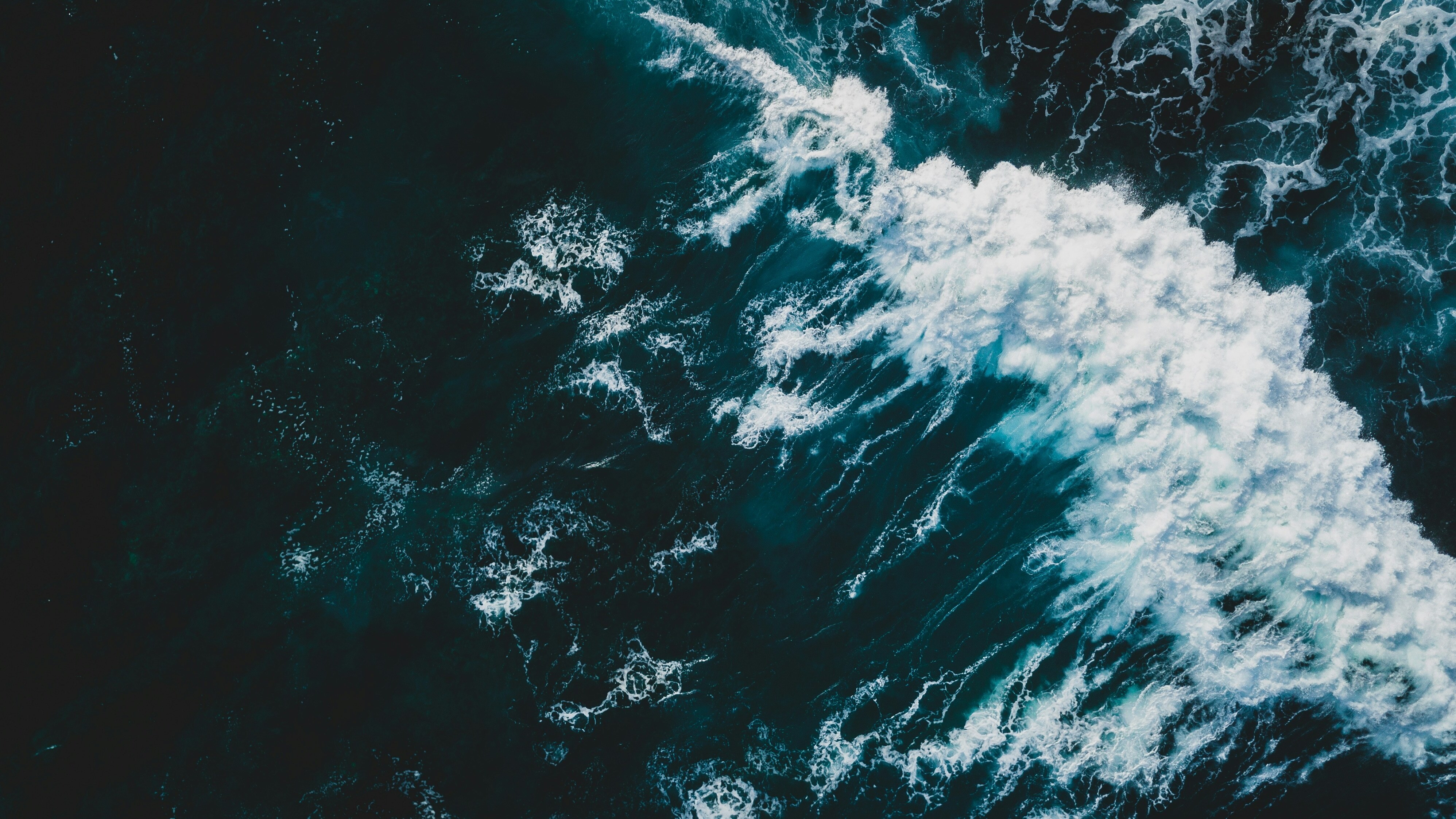
Why the wave in turmoil? The currents and the rocks are the difficulty of a research thesis: an extreme environment, much like the ones we actually operate in. We don’t see that as something to fear. It’s the place we’re most comfortable.
The instruments on the left just read 1,000 m. You’ve reached the bottom, literally.